HICOCA Intelligent Commercial Ramen Machine
Bionic stirring finely mixes the water and surface for a uniform blend, increasing starch viscosity and enhancing dough toughness.
Multiple proofings stimulate the protein in the dough and enhance its elasticity.
One-touch preset for bionic kneading and repeated rolling and compounding of the dough.
Fully intelligent control and bionic hand-rolling allow for elastic rolling, forming a three-dimensional network structure of gluten in the flour for an exceptional taste.
Five pressings and three proofings: traditional handmade noodle-making techniques that make ramen the king.
Product Parameters
Product Layout
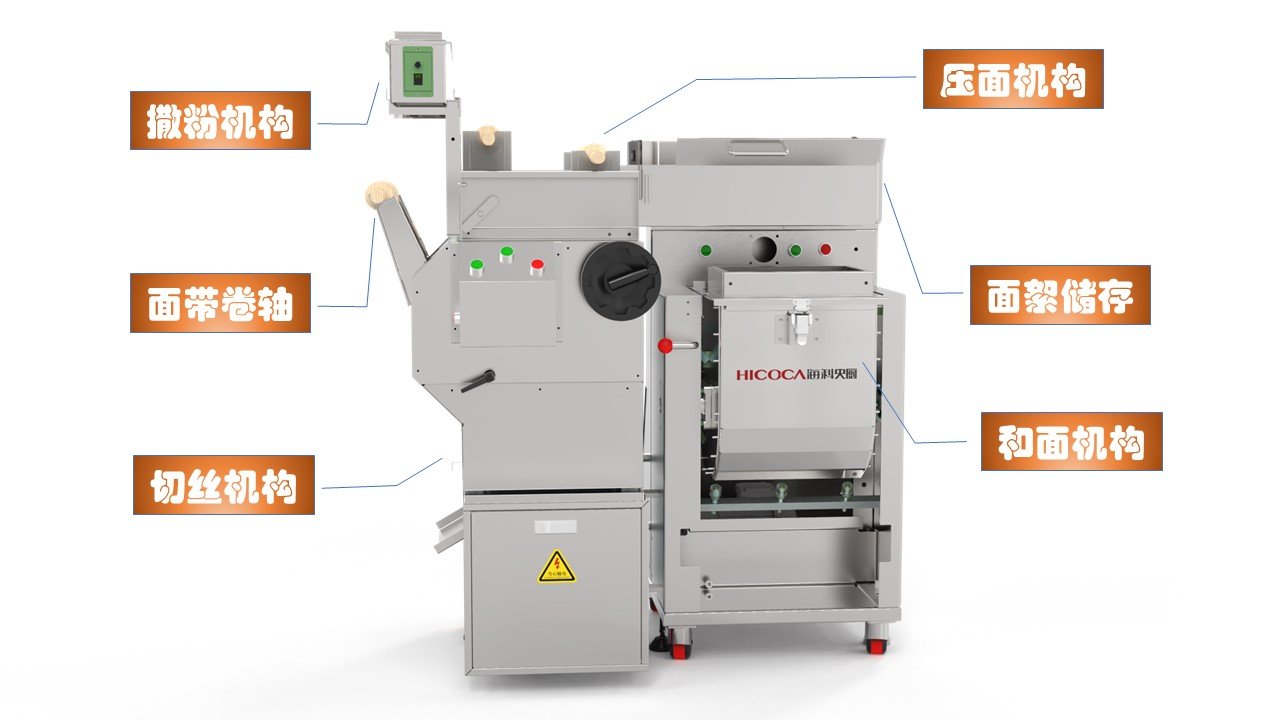
Core Single-Board Design Overview
The mechanical design emulates manual labor. During the kneading process, the stirring rods are constructed like fingers, creating a stirring motion similar to that of a human hand, enabling quick and even mixing, ensuring thorough blending of the water and dough.
The kneading process takes 5 minutes, with each batch of 15 kg of dough kneaded. Water is added in two steps. The first step involves stirring for 3 minutes, allowing the flour and solution to combine and begin to form gluten.
After the second step, small particles begin to coalesce and grow larger. The stirring time during this stage is 2 minutes. This prevents damage to the dough and ensures that the dough remains loose, uniform in size and color, and has sufficient elasticity to form a ball when held and gently kneaded.
2. Pressing Process
Using high-chromium alloy rollers for rolling ensures high hardness, surface finish, and long service life, resulting in superior rolling performance. The tooth spacing adjustment uses a digital display handwheel, making operation more convenient.
3. Machining Process
This noodle cutter can quickly cut noodles of various widths, allowing you to make different types of noodles.
The HICOCA biomimetic udon noodle machine is highly integrated, requiring only 1 square meter of space. It is easy to operate, highly efficient, and can produce 300 servings of noodles per hour – truly a “one-square-meter noodle shop.” This machine has a wide range of applications, including noodle restaurants, school cafeterias, and chain restaurants. For noodle restaurants, this machine can help entrepreneurs start their own business, even if they have no prior experience making noodles. For cafeterias and other food service establishments, it allows employees to enjoy high-quality, restaurant-style noodles, providing customers with freshly made, chewy, and flavorful noodles, comparable to those made by a master chef.
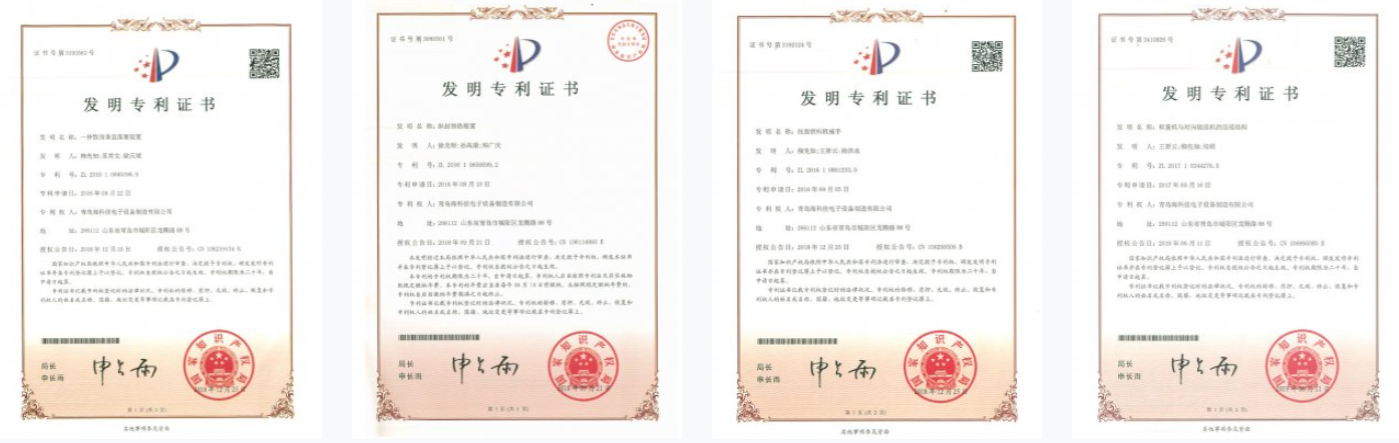
Honors And Qualifications