
Sourcing spaghetti packaging machine wholesalers? Compare configurations, real cost drivers, and 7 supplier checks before you place a wholesale order.
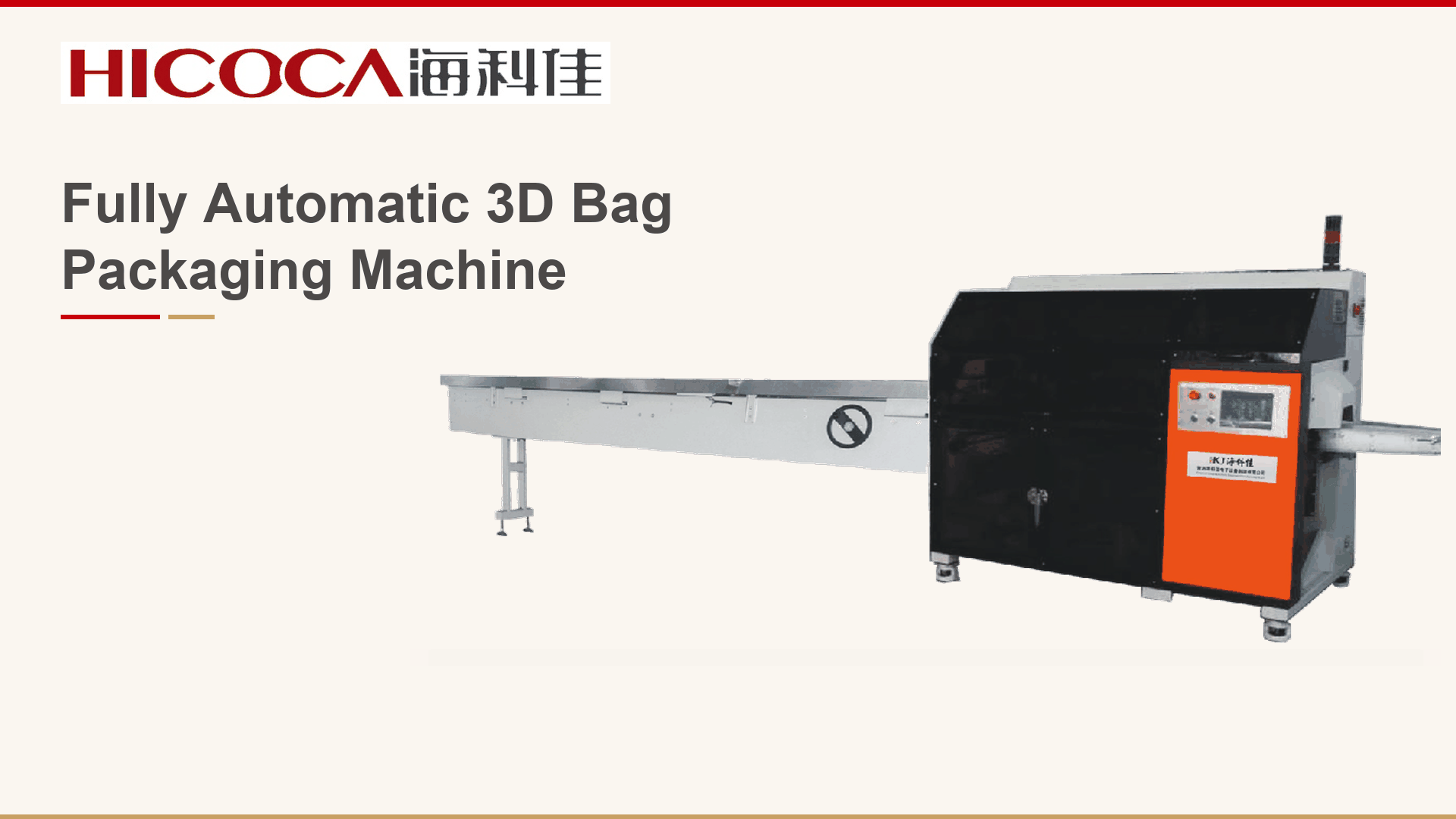
Type “spaghetti packaging machine wholesalers” into Google and you will get a hundred listings that look almost identical. Same stock photos. Same three-line descriptions. Same silence when you ask a real question — like how the machine behaves when your strand length changes, or who supplies the sealing jaws.
This guide is written for buyers who source at wholesale volume: pasta producers, co-packers, private-label brands, and importers who need one line this year and a supply relationship that still works in five. Below we cover what “wholesale” actually means in this category, which configurations fit which products, what really drives the price of an automatic spaghetti packing machine, and the seven checks worth running before you wire a deposit to any dry pasta packaging machine manufacturer.
What “Wholesale” Actually Means for Spaghetti Packaging Machines
First thing worth unlearning: in heavy food equipment, wholesale does not mean buying five hundred units at a discount. It means three different things, and sellers blur them together on purpose.
Start With Your Spaghetti, Not the Machine
Most bad purchases in this category begin with a spec sheet instead of a product sample. Spaghetti is not a generic dry good, and these variables decide which machine you need:
- Strand length and diameter: Long pasta and short pasta behave completely differently.
- Breakage risk: Dried spaghetti snaps. Excessive drop height is the most common cause of reported “machine issues.”
- Surface finish: Bronze-cut pasta has a rougher surface than Teflon-extruded pasta.
- Pack weight: 200 g, 500 g and 1 kg retail packs are the workhorses.
- Bag style: Pillow bag, gusseted, block-bottom or bundled stick packs.
- Film: Different materials seal at different temperatures and dwell times.
Spaghetti Packaging Machine Wholesale Suppliers: The Configurations
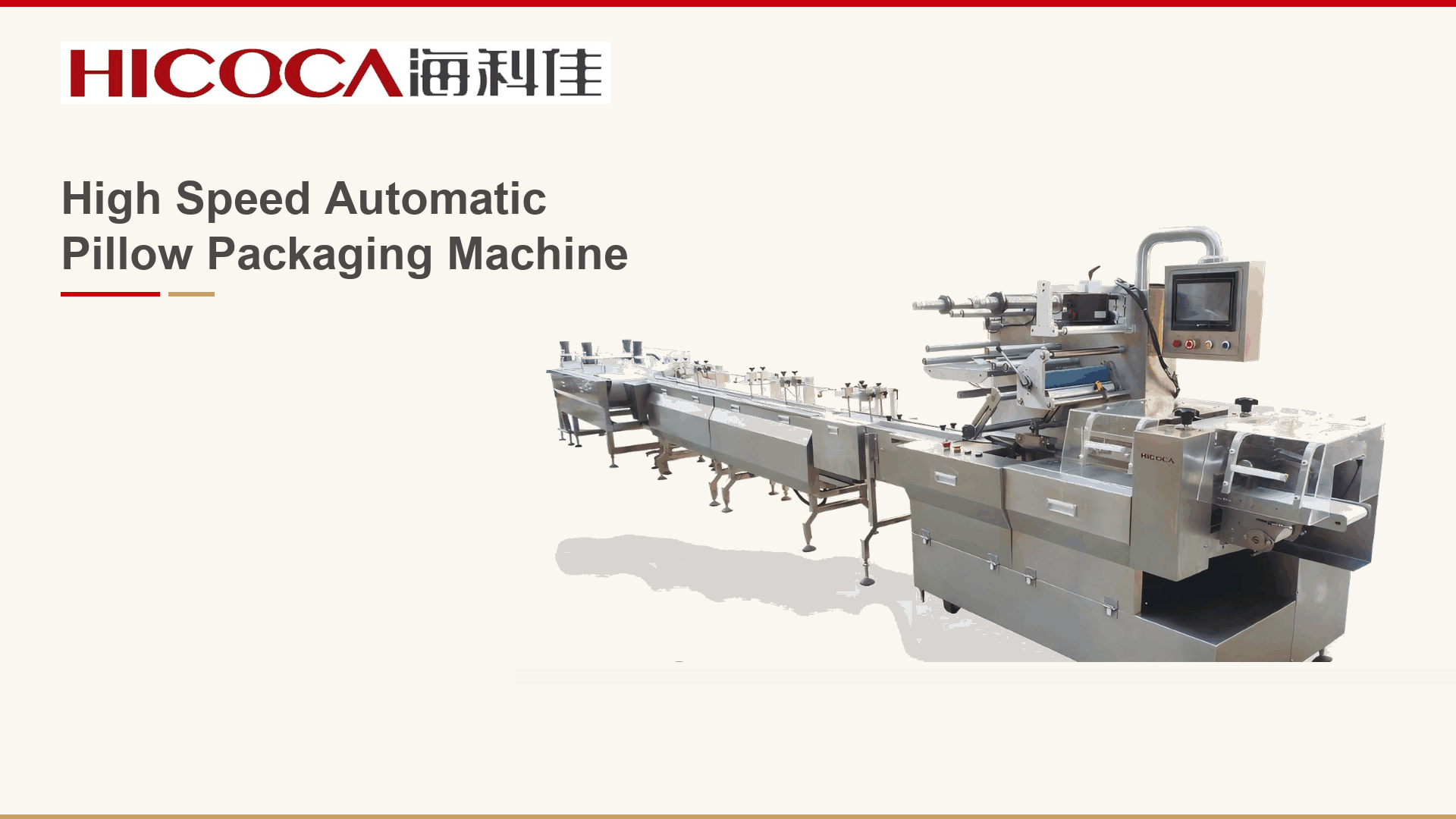
Automatic Spaghetti Packing Machine Price: What Actually Drives the Number
- Automation level and servo count
- Weighing technology precision
- Build material and finish quality
- Changeover flexibility for different SKUs
- Control system (PLC brand)
- Compliance and hygiene certifications
Dry Pasta Packaging Machine Manufacturer: 7 Checks Before You Wire a Deposit
- Factory or middleman? Ask for a live video walkthrough.
- Will they test your product? Send samples for video verification.
- Spare parts and response time: Get the consumable list up front.
- Compliance paperwork: CE, food-contact, and electrical specs.
- Quotation scope: Ensure Incoterms, training, and warranty are stated.
- References: Ask for plants of similar size running similar products.
- Room to grow: Can the line accept future upgrades?
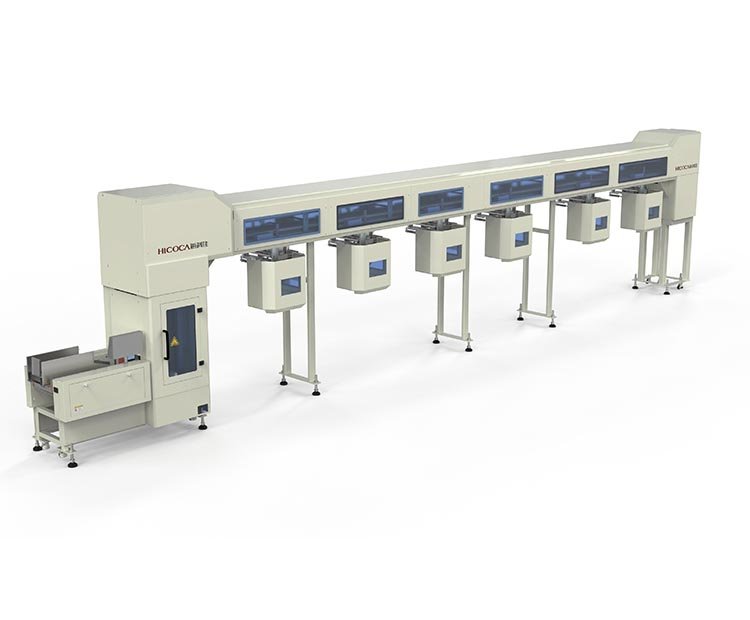
Core specifications of the HICOCA spaghetti packaging line
| Item | Value |
|---|---|
| Packing speed | 20-80 bags/min. |
| Strand width accommodated | 0.6-1.4mm |
| Strand length accommodated | 180-240 mm |
| Daily production capacity | 50-110 ton per day |
| Power supply | Three-phase 380V |
| Machine dimensions | Customized |
Frequently Asked Questions
How much does an automatic spaghetti packing machine cost?
There is no single figure, and any supplier who quotes one without asking about your product, bag size, film and output target is guessing. The price is set by automation level, weighing technology, build material, changeover flexibility, control system, compliance scope and what the quotation actually includes. Ask three suppliers for itemized, landed-cost quotes on identical scope and compare those. Request a configured quotation from us and we will price it against your real output target.
Can one machine pack both 200 g and 1 kg spaghetti bags?
Usually yes, provided the bag former is adjustable and the weigher covers the full range. What matters in practice is changeover time and repeatability — ask for the changeover procedure in writing and a video showing the switch between your two pack sizes. Average changeover on our line: ___.
How do I stop spaghetti from breaking during packing?
Reduce drop height, use gentler product feeding, match the weigher discharge to your strand, control film tension, and let the product stabilise after drying before it reaches the packing line. The single most useful step is testing with your real product rather than a demo sample.
Do I need a separate weighing machine?
If your accuracy requirement is tight and your speed target is high, an integrated multi-head weigher is normally the right call. If not, simpler dosing can be enough. Be honest about the accuracy you actually need — the difference between “close enough” and “±1 g” is a large part of the machine price.
How long does delivery and installation take?
Our typical production time is 30 days from deposit, shipping is 20 days depending on destination, and installation and commissioning take 1 week on site.
Post time: Sep-14-2026