
If you run a noodle factory, you already know the truth: the mixing, rolling and cutting get all the glory, but packaging is where margins are won or lost. A slow or unreliable noodles packaging machine turns a beautiful production line into a bottleneck — product sits waiting, labor costs climb, and bags that should look crisp on a supermarket shelf come out wrinkled or leaking.
We’ve spent years building complete noodle production lines at HICOCA, and buyers from all over the world ask us the same handful of questions again and again. So instead of answering them one email at a time, we put everything into this guide: what these machines actually do, which type fits your product, what really drives the price, and how to tell a serious manufacturer from a good-looking brochure.
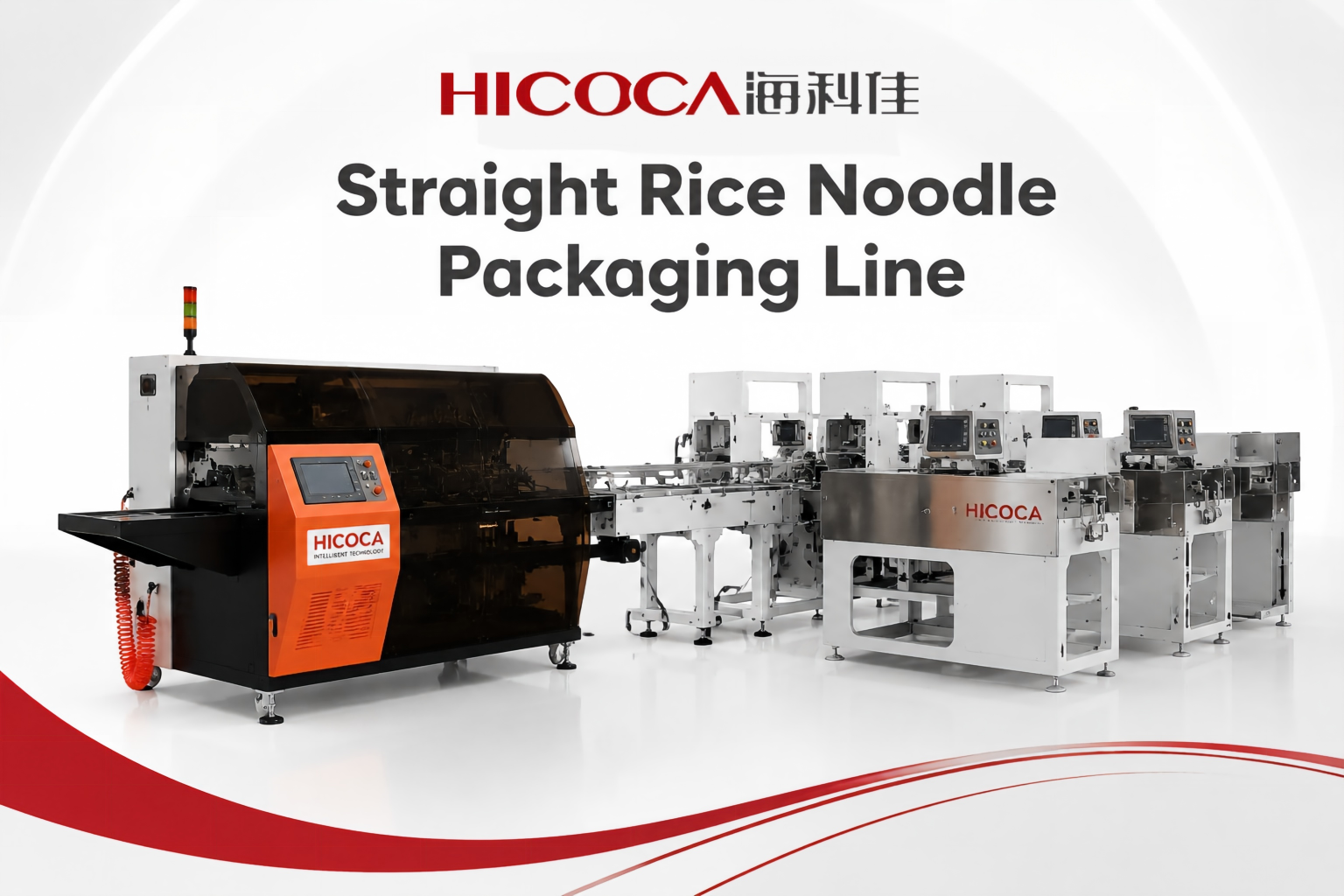
What a Noodles Packaging Machine Actually Does
In simple terms, a noodles packaging machine takes finished noodles — dried brick noodles, instant noodles, fresh noodles, or noodle cakes — and turns them into shelf-ready packs. Depending on the setup, it handles some or all of these jobs:
- · Feeding and aligning noodle cakes or noodle blocks into single files
- · Weighing or counting portions before packing
- · Wrapping each cake in film (usually with a pillow-style seal)
- · Inserting sachets — seasoning packets, oil packets, or both
- · Bundling several packs into a multipack for family-size sales
- · Coding dates, then sending finished bags to carton packing
The key thing to understand: packaging doesn’t work in isolation. It is the last station of your line, and it runs at the rhythm everything upstream sets for it. That’s why we always tell buyers to think about packaging together with the frying or drying line, not after it.
The Main Types of Noodles Packaging Machines
Not every factory needs the same machine. These are the configurations you’ll come across most often:
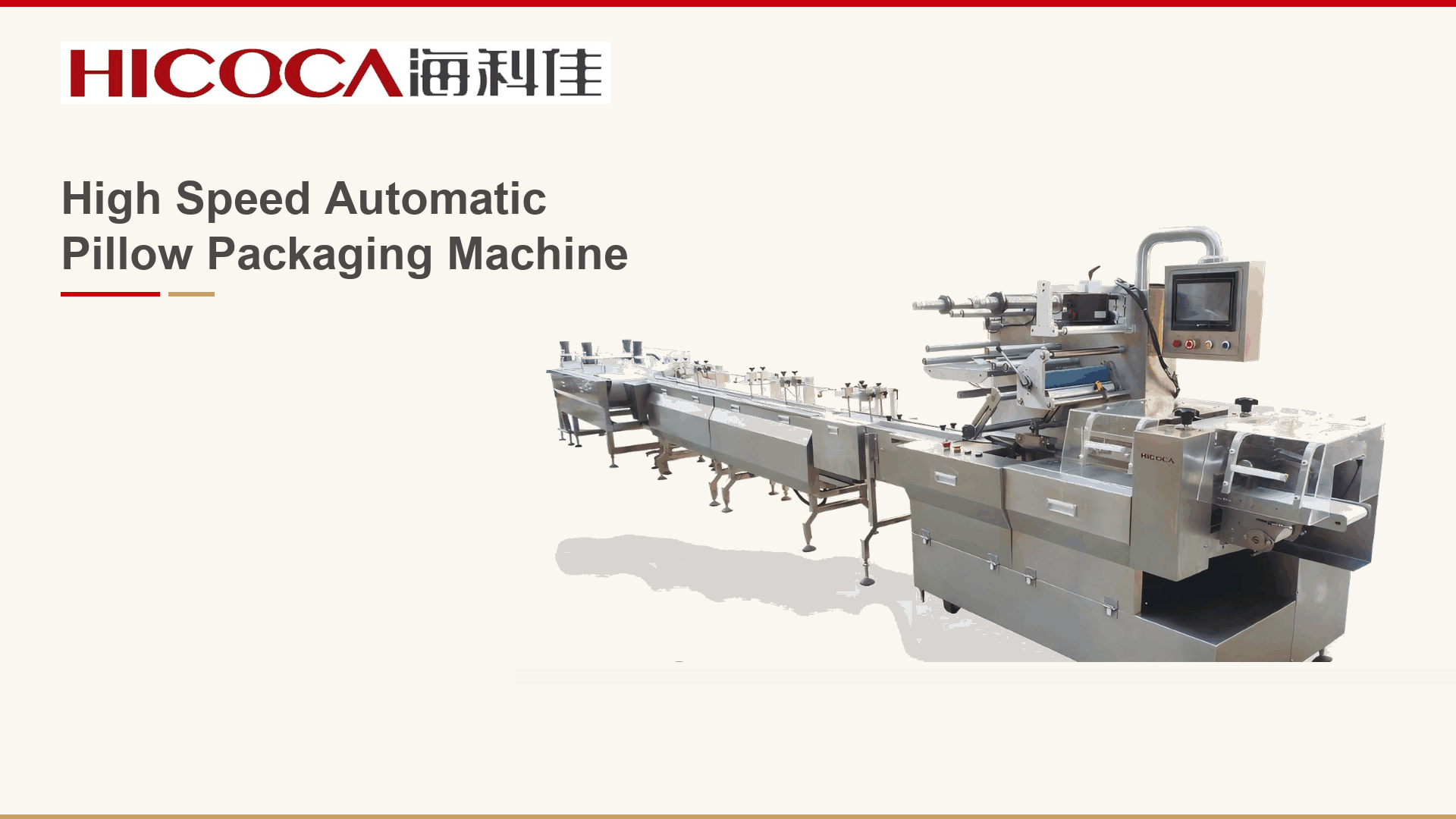
1.Pillow packaging machines
The workhorse. Each noodle cake is wrapped individually in film, which protects it from moisture and damage during shipping. This is the standard choice for dried instant noodle blocks.
2. Multipack packaging machines
If your market sells family packs — say, five cakes wrapped together — a bundler collects single packs and over-wraps them. Retailers in many regions prefer multipacks because they move faster off the shelf.
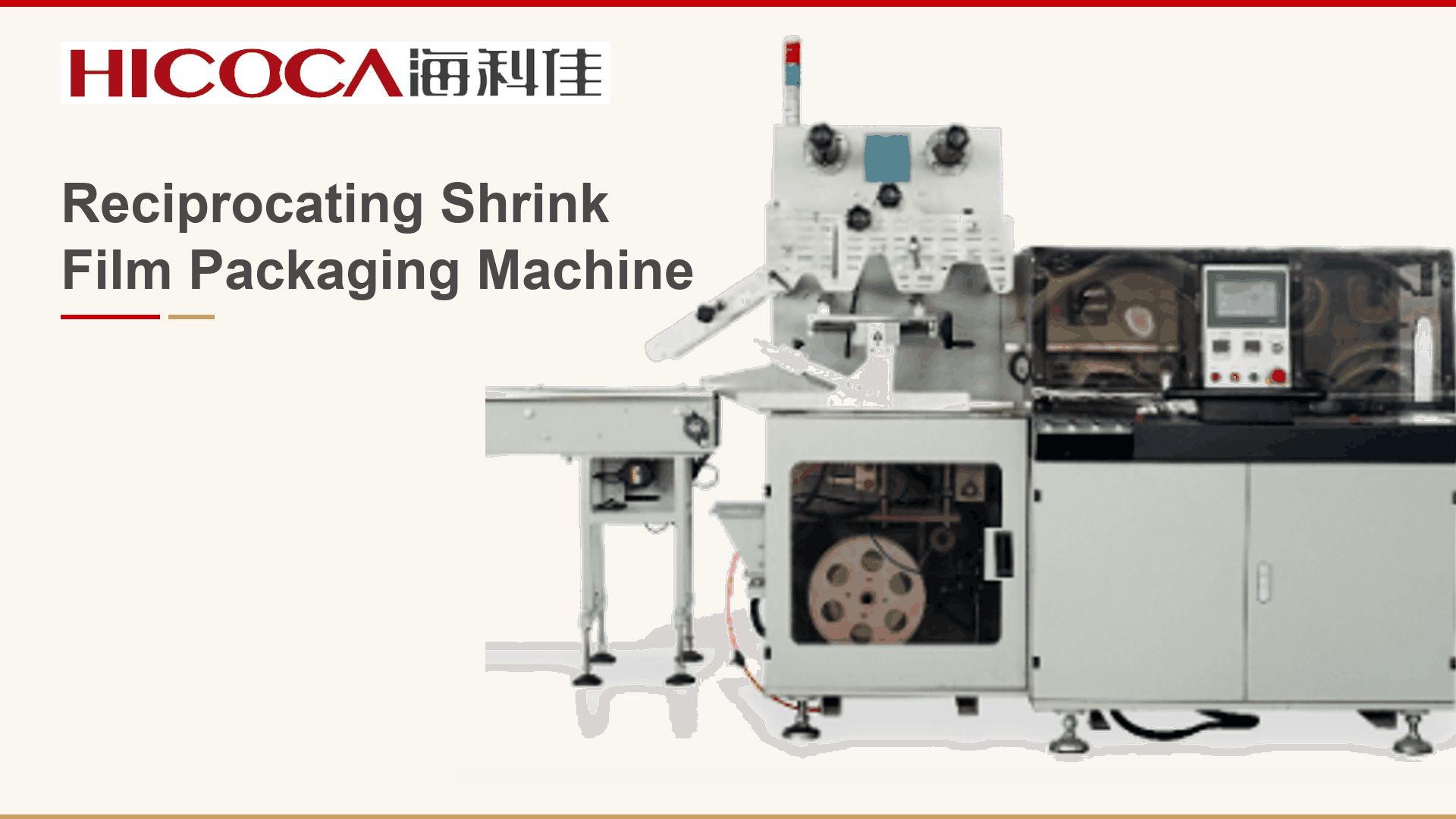
3. Reciprocating / horizontal flow wrappers
For fresh or semi-fresh noodles sold in trays, a horizontal flow wrapper seals trays or noodle portions in film with a back seal. Common for chilled noodle products aimed at supermarkets and food service.
4. Complete automatic packaging sections
For larger plants, individual machines are linked with conveyors, weight checkers, metal detectors and case packers into one continuous packaging section — this is where the term automatic noodles packaging machine for instant noodle production line really applies, and we’ll come back to it below.
Automatic Noodles Packaging Machine for Instant Noodle Production Line: How Integration Works
Here’s a mistake we see too often: a buyer sources a noodle line from one supplier and packaging machines from another, then spends months trying to make them talk to each other. Speeds don’t match, transfer conveyors are the wrong height, and the “cheap” packaging machine ends up costing more in downtime than it saved.
When packaging is engineered as part of the whole instant noodle production line, three things need to line up:
- · Speed matching. The packaging station should be rated slightly above your line’s output — not equal to it. A line producing thousands packs needs headroom, or every upstream hiccup stalls the baggers.
- · Transfer handling. Noodle cakes are fragile right out of the dryer or fryer. The hand-off between the cooling conveyor and the infeed chain matters more than most people expect; a clumsy transfer means cracked cakes and rejected packs.
- · One control system. When all stations share a single HMI and recipe system, your operators change pack formats in minutes instead of re-tuning each machine by hand.
This is exactly why HICOCA delivers packaging as part of turnkey noodle projects — the line is commissioned as one machine, not an assembly of strangers. If you already have a line and only need to upgrade packaging, that works too; we just need your current line data first.
How Much Does a Noodles Packaging Machine Cost?
Let’s be honest: anyone who quotes you a price without knowing your product, pack format and output target is guessing. Rather than throwing random numbers around, here are the factors that genuinely move the price up or down:
- · Pack format. Simple single-cake wrapping costs far less than multipack lines with sachet insertion.
- · Automation level. Manual feeding vs. fully automatic feeding from the noodle line — the gap here is usually the biggest single factor.
- · Speed class. Higher packs-per-minute ratings demand better servo systems and build quality.
- · Film type. Some films and laminates need specific sealing configurations; your local film supply situation matters.
- · Ancillary equipment. Weight checkers, metal detectors, date coders and case packers can be included or left out.
- · After-sales scope. Installation, commissioning, spare parts and training — the “boring” line items that decide your real cost of ownership.
Our suggestion: don’t shop on price alone. Get two or three quotes built on the same specification and compare what’s actually inside each one. You can request a tailored quotation from HICOCA here: jiangjianbin@haikejia.com. Tell us your noodle type, target pack format and capacity, and we’ll come back with a configuration — not just a number.
Choosing a Noodles Packaging Machine Manufacturer: 5 Checks That Matter
Plenty of websites look like manufacturers. Fewer actually are. Before you sign anything, run a supplier through these five checks:
HICOCA has been building food production equipment for years, and packaging machines sit inside the same engineering scope as our noodle lines — one team, one responsibility, one point of contact from layout drawing to final commissioning.
A Quick Checklist Before You Request a Quote
To get an accurate quotation fast, have these answers ready:
- · Product type: dried instant noodles, fried or non-fried, fresh noodles?
- · Pack format: single cake, multipack, with or without sachets?
- · Target output: packs per minute / packs per shift
- · Available factory space and the height of your existing line’s discharge conveyor
- · Local power supply and film suppliers you already work with
- · Whether you need a full line or packaging only
Send us that list and the first conversation will already be productive.
Frequently Asked Questions
Q: Can a noodles packaging machine handle different pack sizes?
Yes — modern machines store recipes for different film widths and cake sizes, so changeovers are mostly a matter of selecting a recipe and swapping a few format parts. Ask the manufacturer to demonstrate a changeover during your factory visit or video call.
Q: Can it insert seasoning sachets automatically?
It can, and this is one of the most requested options. The sachet inserter is synchronized with the main wrapper; the main design consideration is making sure sachets are fed reliably, because a jammed sachet magazine slows the whole line.
Q: Do you supply packaging machines on their own, without a noodle line?
Yes. While we specialize in complete turnkey noodle production lines, we also supply standalone packaging machines and sections. We’ll ask for details about your existing upstream equipment so the interfaces match.
Q: What film do I need, and can I source it locally?
In most cases you can buy film locally once we confirm the specification together — that keeps your ongoing costs down and avoids import delays. We’ll provide the exact film spec during the project design stage.
Final Thoughts
A noodles packaging machine is not a small purchase, but it’s also not a mysterious one.
Know your product, know your pack format, match the packaging speed to the whole line — and buy from a manufacturer who will still answer the phone two years after installation. That last point, by the way, is the one buyers thank us for most often.
Ready to talk specifics? Tell us about your noodle products and your target capacity, and the HICOCA team will put together a packaging configuration and quotation for your market!
Post time: Sep-10-2026