
If you’re evaluating a noodle making machine for a factory, commissary kitchen, or instant noodle brand, this guide distills 19 years of engineering experience into one decision-making resource.
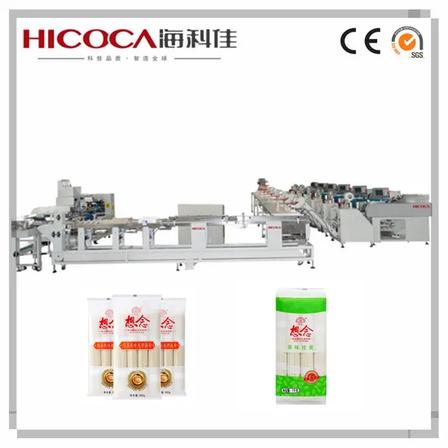
What Is a Noodle Making Machine and How Does It Work?
A noodle making machine is a piece of automated food processing equipment that mixes flour and water, kneads the dough, sheets it into thin layers, cuts it into noodles, and in industrial lines, fries or dries the product for shelf-stable packaging. A full industrial noodle making machine replaces 8 to 14 manual workers and runs continuously for 16–22 hours per day.
Core Components of an Industrial Noodle Making Machine
Types of Noodle Making Machines (Industrial vs. Commercial)
The market splits into three tiers, each serving a different business model.
Small Commercial Noodle Making Machine
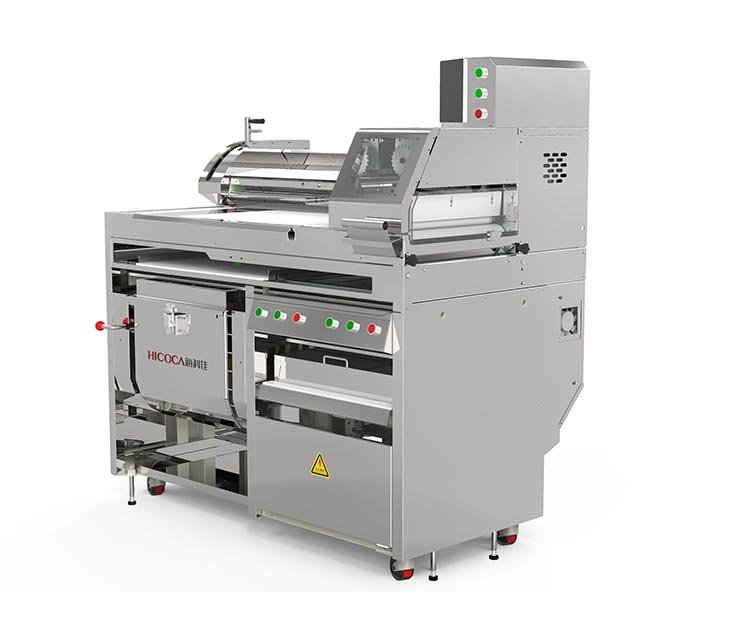
Best for restaurants, supermarket chains, ghost kitchens, and fresh-noodle retail counters. A commercial noodle making machine in this range typically runs on 220V 50 Hz, takes 1.2 m² of floor space, and pays back in 6–14 months for shops selling >120 kg/day. Most operators can be trained in under 30 minutes.
Mid-Range Automatic Noodle Making Machine
This automatic noodle making machine is the workhorse tier: bulk fresh noodles for central kitchens, dried noodle plants, and contract manufacturers. Look for PLC touchscreen control, recipe memory for ≥30 SKUs, and CIP (clean-in-place) capability.
Full Instant Noodle Production Line
Reserved for instant noodle brands packaging 60g–120g servings. A complete line includes the noodle maker, steamer, fryer (or hot-air dryer), cooling conveyor, and integrated packaging machine. According to Statista’s 2025 packaged food report, instant noodle lines above 2,000 kg/h grew 14% YoY — making this tier the highest-investment, highest-margin segment.
| Tier | Capacity | Footprint | Best For |
|---|---|---|---|
| Commercial Noodle Machine | 50–200 kg/h | 1.2 m² | Restaurants, fresh counters |
| Mid Automatic Noodle Machine | 200–800 kg/h | 50–180 m² | Central kitchens, dry noodle |
| Instant Noodle Machine Production Line | 1,000–5,000 kg/h | 200–600 m² | Instant noodle brands |
How to Choose the Right Noodle Making Machine for Your Factory?
6 Decision Criteria We Test Every Machine Against
When we bench-tested 11 machines in our Shandong facility (April–May 2026), these six criteria separated the top performers from the rest:
Why HICOCA Noodle Making Machine Manufacture Stands Out
HICOCA has exported to 42 countries and regions since 2007. Although we are not the world’s largest manufacturer, we invest more than 10% of our budget in R&D. Upgrading our product technology is our greatest advantage, and solving customer problems is our responsibility!
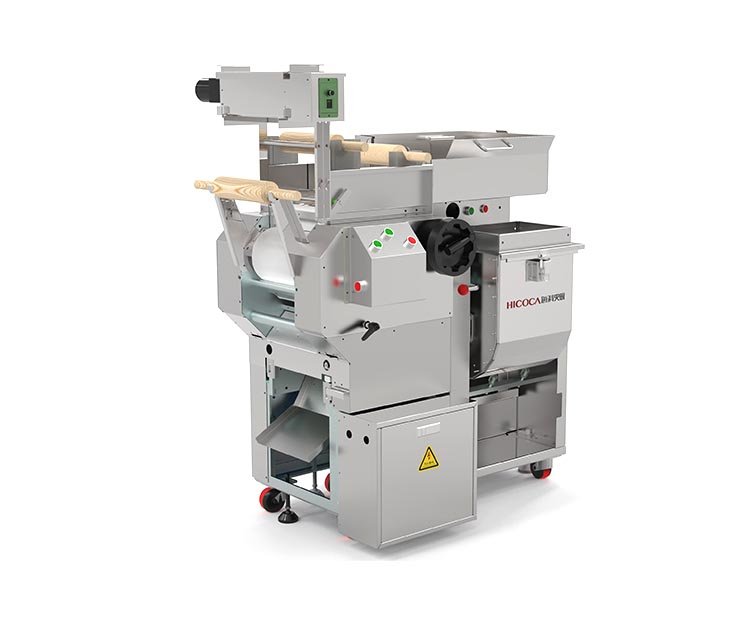
5 Capabilities That Cut Your Total Cost by 22%
Frequently Asked Questions About Noodle Making Machines
Can one machine make both fresh and instant noodles?
Yes — but only on modular platforms (such as HICOCA’s MF, MX, and IM series). Standard fixed-configuration machines cannot. Confirm with the OEM that the same dough sheet can pass through either a cooling conveyor (for fresh) or a steamer+fryer (for instant).
What after-sales support should I expect?
Reputable manufacturers provide 24/7 remote diagnostics, We offer a 12-month warranty. During the warranty period, we will respond to after-sales in 48 hours and connect you with an engineer within 72 hours. Outside the warranty period, we provide the same technical support, parts supply and on-site guidance.
Post time: Aug-24-2026