
- ▪ Same front end, different factory. Everything after the steam tunnel changes: equipment, layout, energy, product behaviour.
- ▪ Frying buys rehydration speed. Drying buys a lower-fat claim, paid for in space and energy.
- ▪ A cost comparison only means something per tonne, with your own energy prices, and with the building included.
- ▪ Trial rehydration on your own recipe before you sign. A non-fried noodle that takes six minutes to soften is not a problem capacity can fix.
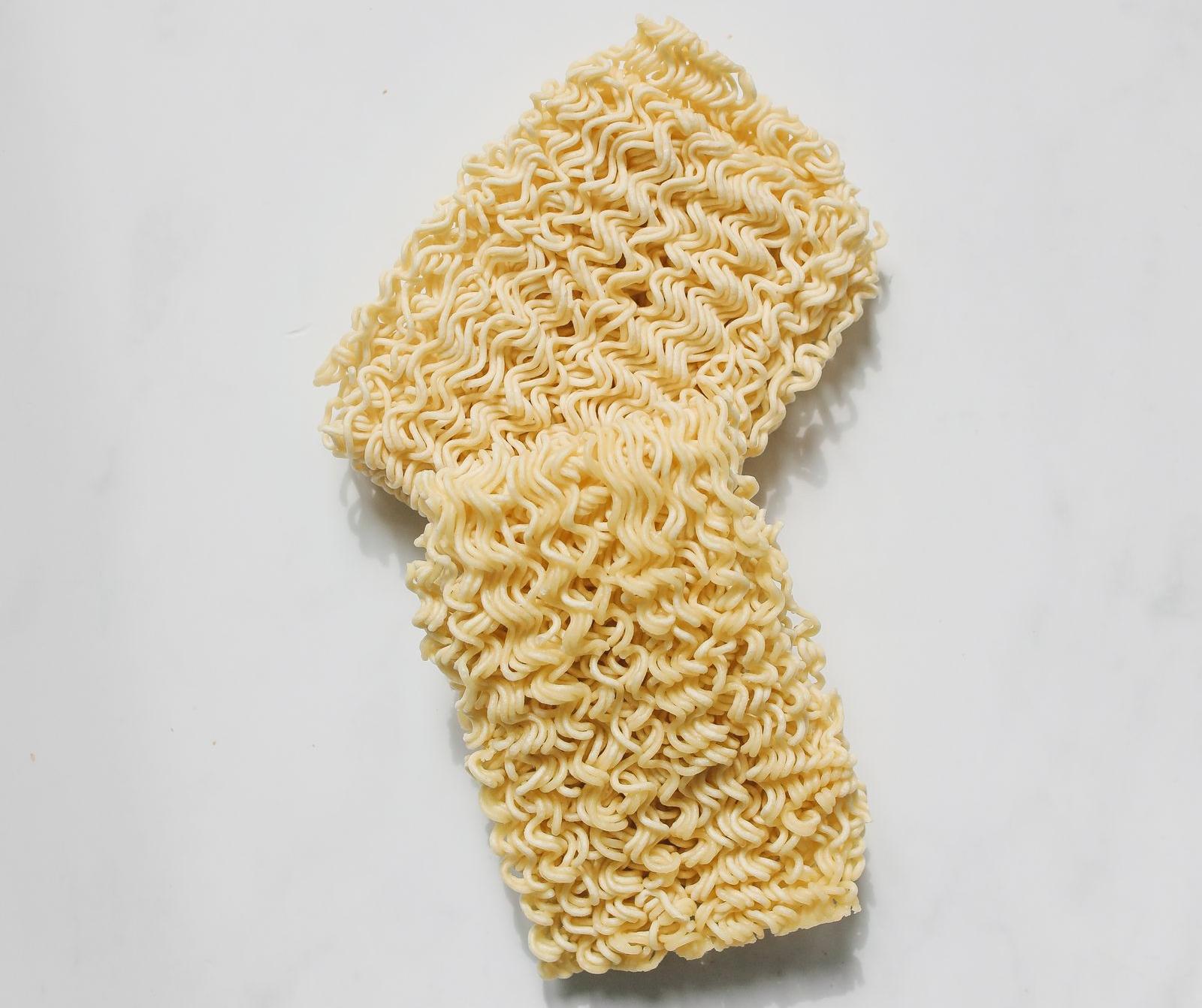
Same block, two very different processes behind it.
Side by side: what actually differs
| Feature | Fried Instant Noodles | Non-fried Instant Noodles |
|---|---|---|
| Core process | Hot oil | Hot air, hot air + microwave, or vacuum |
| Rehydration | Fast — three minutes is easy | Slower, and the hardest part to get right |
| Floor space | Compact | Large, because drying is slow |
| Main running cost | Frying oil and its management | Drying energy |
| Product promise | Price, convenience, familiar texture | A lower-fat claim you still have to earn at retail |
Every instant noodle project hits this fork, and it usually gets decided in a meeting where somebody says “non-fried is healthier, that’s where the market is going.” That may be true. It’s also not a line configuration.
Where they diverge
Fried: oil as the drying medium
The block passes through hot oil. Water leaves fast, the starch structure sets in an expanded, porous form, and the block becomes rigid.
- Very fast rehydration: The porous structure lets hot water in quickly.
- Oil uptake is the cost centre: Oil is a raw material and quality variable.
- Fryer is the quality gate: Decides colour, texture and shelf life.
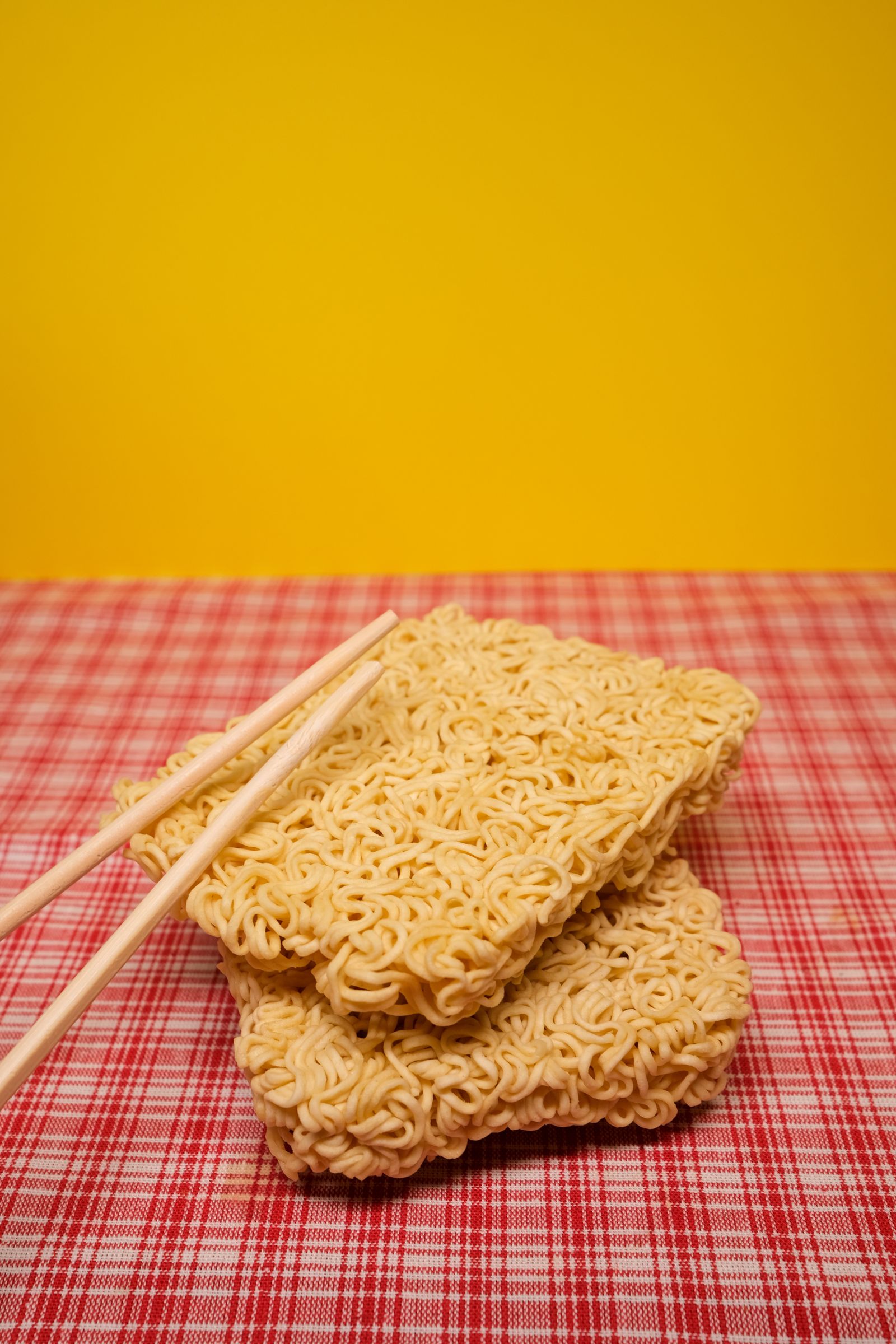
Fried blocks hydrate fast because the starch structure is already open.
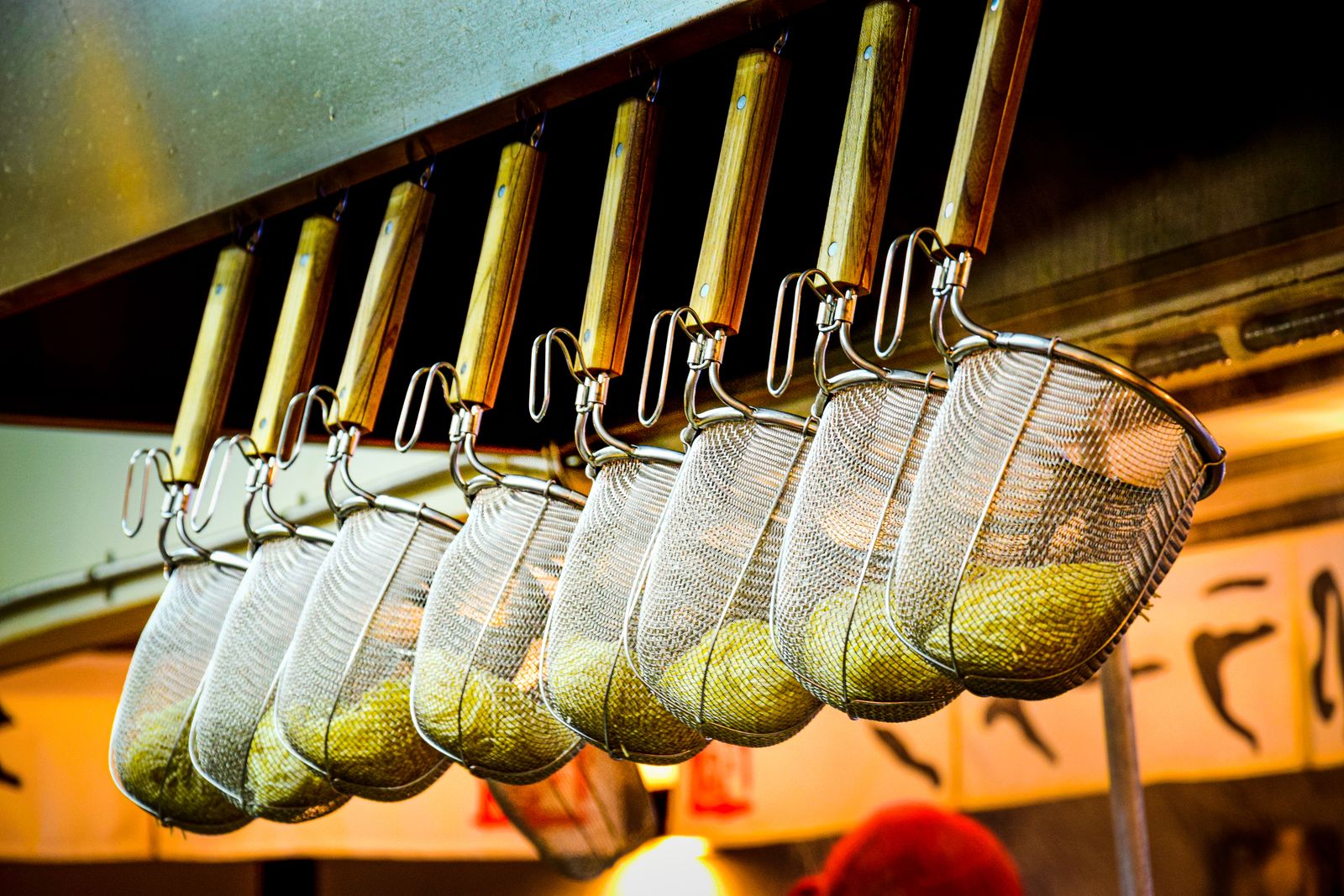
Non-fried products live or die on rehydration.
Non-fried: hot air, and time
Instead of oil, the block goes through a drying stage — hot air drying, hot air plus microwave, or vacuum drying.
- Drying is slow: Requires a physically large drying chamber.
- Rehydration is harder: The block resists water without the porous structure.
- Energy cost: Significant energy needed for air heating and movement.
- Chewier texture: A different mouthfeel that requires specific marketing.
Four configurations, honestly compared
| Metric | Fried | Hot air dried | Hot air + microwave | Vacuum dried |
|---|---|---|---|---|
| Front end | Same | Same | Same | Same |
| Core process | Fryer | Drying tunnel | Drying + microwave | Vacuum chamber |
| Floor space | Compact | Large | Medium-large | Medium (batch) |
| Rehydration | Fast | Slower | Better than air | Good, premium |
| Best fit | High volume | Cost-sensitive | Mid-premium | Small vol, high margin |
Note: Prices vary by capacity. Get them quoted for your actual output.
The cost comparison people get wrong
The instinct is “non-fried saves oil, so it’s cheaper to run.” Half right, and the half that’s wrong is expensive.
➖ What you save:
Frying oil, oil filtration and disposal, and the labour attached to oil management.
➕ What you add:
Drying energy, floor space, and building cost. A non-fried line requires a much larger footprint.
The honest way to model it: build a per-tonne cost sheet for each process, with your own energy prices, and include the building.
Market fit, not fashion
Price-sensitive markets: Fried still dominates due to cost and speed.
Urban, higher-income segments: Non-fried has real traction for health-conscious buyers.
Foodservice channels: Rehydration speed often matters more than health claims.
Can one line run both?
Sometimes, and it’s more limited than suppliers imply.
Share the front end (mixing to cutting) and share packing stages.
Running both simultaneously or using the exact same recipe for both.
A Decision Checklist
FAQ
It has less fat. Whether that makes it “healthier” depends on full formulation (sodium, additives).
Partially. The front end carries over, but replacing the fryer with a drying system is a substantial project.
Frying creates a porous structure that water penetrates quickly. Without it, the starch matrix is denser.
If you’re weighing fried versus non-fried, send us your target price point, monthly volume and building dimensions.
Post time: Nov-09-2026